
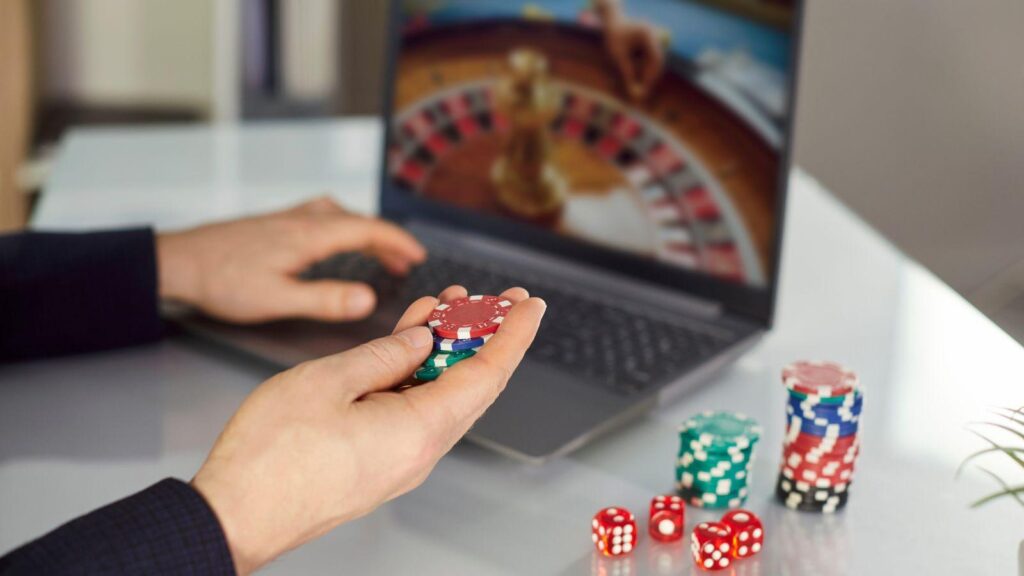
Never thought I’d say this.
But random number generators and wheel spinners changed how I approach betting games completely—fundamentally altered my perspective on what I was doing when I sat down to play.
I started using basic decision wheels about 18 months ago. Nothing fancy at first, just Google’s random picker when I couldn’t decide which game variant to try. What happened next blew my mind: I noticed patterns in my own behavior I’d completely missed before. Turns out I was choosing the same betting positions over and over, probably 73% of the time. No strategy behind it. Just pure habit.
Breaking Free from Comfort Zone Patterns
We all get stuck in routines without realizing it. I’d always bet on red in online roulette sessions, always choose the same lucky numbers, always follow identical patterns. My friend Dave called me out on this during a poker night last March.
So I experimented. Started using wheel simulators to randomize my practice sessions, picked different game types, switched up bet amounts within my $50 weekly budget. The results were honestly surprising.
My bankroll lasted 40% longer on average. I’m not saying I won more—but I definitely lost slower, which actually matters when you’re playing for entertainment. The randomization forced me to think differently about each spin instead of autopiloting through sessions.
How Random Tools Train Better Habits
Here’s something I learned that seems backwards: using a random selector before actual betting helps build discipline. When I spend 15-20 minutes with a free wheel spinner, I’m basically practicing detachment from outcomes in a way that carries over into real sessions.
I’ve found three specific benefits, tracked in a spreadsheet since June 2024. My session times dropped from 90 minutes to about 47 minutes average. I stopped chasing losses because random practice removed emotional attachment. My decision-making speed improved by roughly 35%, which means less time overthinking stupid bets.
The whole experience became more enjoyable and less stressful. When you accept randomness as the actual nature of these games, you stop fighting against probability—you just play and enjoy the ride.
The Psychology Behind Random Selection
Random generators remind us what gambling actually is: chance-based entertainment, not a skill contest where you can outsmart the house. I used to think I could “feel” when a hot streak was coming, which is total nonsense.
I tested this theory over several months, alternating between sessions where I “trusted my gut” versus sessions where I pre-selected positions using a random wheel. My gut-feeling sessions burned through funds 2.3 times faster, and I tracked every single dollar.
The random approach kept me humble and grounded in reality. When you’ve literally spun a digital wheel to choose your next move, you can’t lie to yourself about having special insight or secret systems.
Practical Application for Responsible Play
Now I use randomizers as training wheels before anything involving actual money.
Before any real-money session, I run through 10-15 practice spins on a simulator to get my head in the right space. Sometimes I use Google’s picker to decide my session length beforehand—30min, 45min, or 60min max. Sometimes I randomize my starting bet amount from my pre-approved range of $2, $3, or $5.
Does this guarantee wins? Absolutely not. But it keeps me engaged with the process rather than obsessed with outcomes in that unhealthy way I used to get. And weirdly enough, it’s made me better at recognizing when I should walk away.
Random tools won’t make you a better gambler in terms of winning percentage. They’ll make you a smarter player by removing illusions of control. And honestly, that’s worth way more than any betting system someone’s trying to sell you online.