
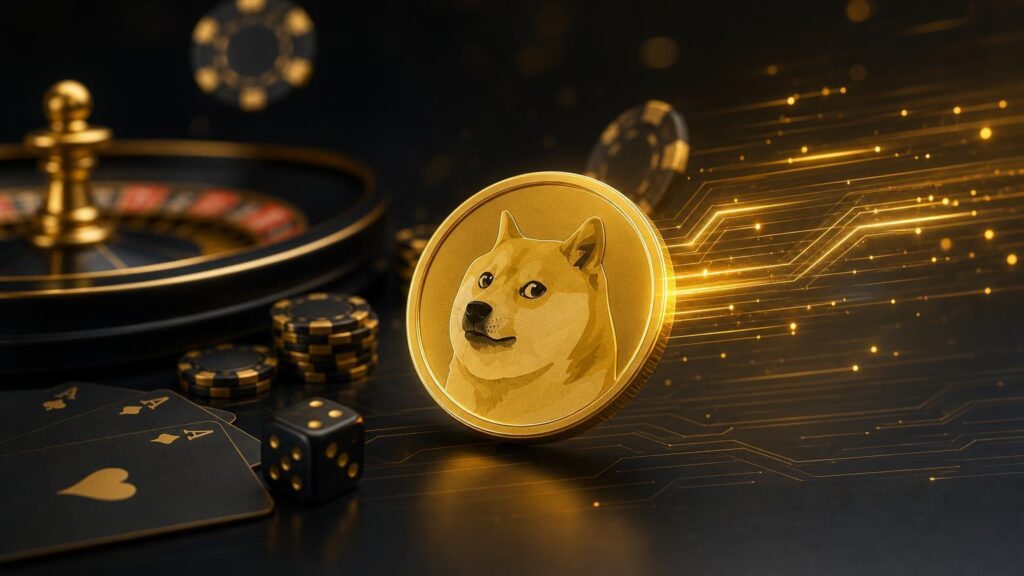
Dogecoin started as a joke. A Shiba Inu meme, a couple of developers poking fun at Bitcoin, and a launch date of December 6, 2013 – that is the whole origin story in a nutshell. Nobody expected the coin to survive the week, let alone become a top-ten cryptocurrency with a market cap that once crossed $80 billion. Yet here we are, more than a decade later, and DOGE has turned into a genuine payment option across online services, tipping communities, and gambling platforms. If you want to play Dogecoin casino in Canada, you will find plenty of operators that accept DOGE deposits and withdrawals within minutes. This article traces how a meme coin became real money – and why players keep coming back to it.
Key Facts About Dogecoin’s Wild Ride
The numbers behind Dogecoin tell a stranger story than any marketing pitch could. It launched with no roadmap, no venture capital, and no pretense of changing the world. Still, it kept hitting milestones that serious projects dream about. Here are the stats that matter.
- Dogecoin launched on December 6, 2013, and its price sat at roughly $0.00026 by the end of that month.
- The coin hit its all-time high of about $0.73 in May 2021, a jump of more than 280,000% from its 2013 price.
- Tesla began accepting DOGE for merchandise in January 2022, marking one of the first major retail use cases.
- Dogecoin’s market cap passed $80 billion in May 2021, briefly making it the fourth-largest cryptocurrency in the world.
- The Dogecoin community has donated over $1 million in DOGE to charitable causes, including a $30,000 clean-water project in Kenya in 2014.
- As of 2026, more than 140 billion DOGE sit in circulation, with roughly 5 billion new coins minted every year.
- Transaction fees on the Dogecoin network typically stay under $0.01, which makes it one of the cheapest coins for small payments.
Why Does a Joke Coin Keep Winning?
Dogecoin’s longevity comes down to three things: speed, cost, and culture. The network confirms blocks every minute, which is ten times faster than Bitcoin. Fees stay laughably low, so sending a few dollars in DOGE makes sense in a way that sending Bitcoin rarely does. Then there is the community – a group that treats tipping, charity drives, and meme battles as serious business. That culture built loyalty no marketing budget could buy.
Casino operators noticed. DOGE deposits clear fast, players keep full control of their wallets, and the coin’s price swings add a layer of excitement that fiat currency cannot match. Platforms now compete for DOGE users with generous bonuses, and many throw in free spins on popular slots to sweeten the first deposit. A single lucky spin can even land a jackpot paid out in DOGE straight to your wallet. The coin’s low fees also mean withdrawals do not eat into your winnings, which matters more than most players realize.
What Role Does Community Play in Dogecoin’s Value?
Most cryptocurrencies sell a vision of technology. Dogecoin sells belonging. Reddit threads, X posts, and TikTok clips keep the coin in the public eye, and every celebrity mention sends trading volume through the roof. Elon Musk alone has moved the price dozens of times with a single post. That kind of attention is volatile, sure, but it also keeps DOGE relevant in a market where thousands of coins die quietly.
The practical side matters too. Merchants accept DOGE because customers ask for it. Sports teams, airlines, and online services have all tested DOGE payments at some point. The coin works as a payment rail, and the community makes sure people keep using it. For anyone who wants to play Dogecoin casino in Canada, that combination of fast settlement and active community support creates a smoother experience than most altcoins offer.
Is Dogecoin a Safe Payment Method in 2026?
Safety depends on how you use it. The Dogecoin blockchain itself has run without a major breach since 2013, and its proof-of-work model keeps the network secure through mining. The bigger risks sit with users: weak wallet passwords, phishing sites, and exchanges that fold overnight. The U.S. Securities and Exchange Commission and the Canadian Securities Administrators both publish investor alerts on crypto risks, and those resources are worth a read before you move serious money.
Practical habits go a long way. Use a hardware wallet for large holdings, keep only spending money in hot wallets, and always double-check a casino’s licensing before you deposit. Reputable operators publish their license numbers and process DOGE withdrawals within hours. Shady ones stall for days. The difference usually shows up in reviews and community forums long before it shows up in your balance.
Final Thoughts
Dogecoin proves that adoption does not always follow a business plan. A meme, a fast network, and a stubborn community turned a throwaway project into a payment method that millions of people actually use. The coin still swings wildly, and nobody should treat it as a savings account. Treat it as what it is – a cheap, quick way to move value online and have some fun along the way. Do your homework, pick licensed platforms, and keep your wallet keys close. The joke, it turns out, is on everyone who doubted it.