
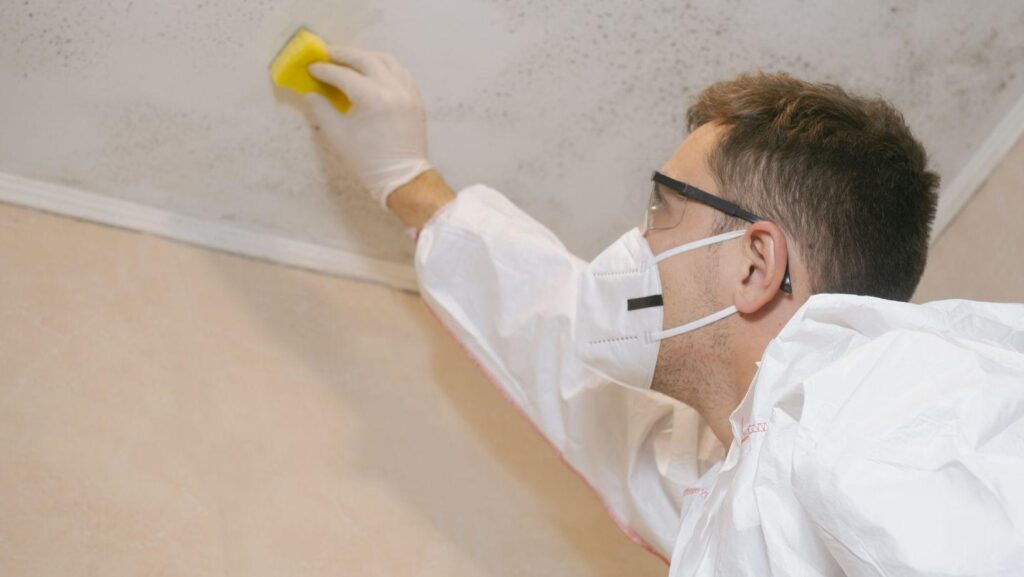
If you’re excited to join the mould remediation industry, there are lots of things you should understand. The difference between mould remediation and mould removal is one of these. That’s especially because some people use these two terms interchangeably, despite them being notably different.
And while the difference may not matter a lot to homeowners, contractors and restoration professionals must learn to differentiate these two if they want to deliver excellent results.
So, What’s the Difference?
The short answer, if that’s what you need, is in the purpose. Mould removal simply focuses on eliminating the mould you can see, while mould remediation focuses on treating the problem.
Here’s a closer look at the two.
Mould Removal
Mould removal typically refers to the physical cleaning or removal of mould growth from affected surfaces and materials. And if, as a restoration professional, you only focus on removing the visible mould from a property, there are high chances you will leave the homeowner with a bigger problem than they realise.
That’s because most of what you can see is usually just part of a larger growth, typically happening underneath the affected surfaces. This is why it’s recommended to take expertly written mold removal specialist courses from a top provider like RocketCert. These train you to look beyond what you can see and give you the right approach for different situations. Such courses typically mention mould removal as part of mould remediation.
What, Then, is Mould Remediation?
Mould remediation takes a more comprehensive approach when addressing mould contamination. So, instead of focusing mainly on the visible growth, it aims to address the contamination, limit the spread, and most importantly, correct the conditions that allowed it to develop. Ultimately, it restores the affected area to its original state so that it can be used safely.
For restoration professionals, this will typically require an in-depth understanding of how moisture moves through buildings, especially in places that aren’t immediately visible. Keep in mind, however, that even though mould remediation focuses on eliminating contamination at the root, you won’t be able to remove every mould spore from the property.
These spores are naturally present in the air, so don’t be shocked to see some readings even after completing the remediation process. Mould remediation courses, nonetheless, cover this information so you won’t end up with unrealistic expectations.
Top Reasons Why Understanding This Difference is Important
You might be wondering why it’s important to understand the difference between mould remediation and removal. Here are some quick reasons:
1. It Helps a Lot With Preventing Re-Contamination
Many professionals, especially those just starting, may use methods that focus heavily on mould removal instead of remediation. This often causes recurring mould problems, which makes it all the more crucial to understand what the difference between remediation and removal is. Regardless of the situation, your restoration efforts should focus heavily on remediation instead of removal.
2. Makes It Easier to Decide Which Materials You Should Save
Depending on your training, you may end up believing that every mould-affected material should be disposed of. And while it’s true that most materials can’t be restored by simply wiping them with a cleaning solution, it’s also true that not all contaminated materials should be thrown away.
Hard, non-porous materials like glass and metal can be retained, as long as they are cleaned thoroughly. Porous materials are harder to clean completely, so discarding them would be the better thing to do.
3. You’ll Know When a Problem Requires Specialist Attention
Another notable reason why you should understand the difference between mould remediation and removal is that some mould problems often point to more complicated building defects. Consider, for instance, a mould contamination issue caused by poor insulation, inadequate ventilation, or even roof damage.
All of these situations call for a different approach that may involve other specialists, such as roof repair experts. So, when you understand how mould remediation works, it becomes much easier to identify these situations.
Take Your First Step Today
Now you know that mould remediation and removal are related, but there is a clear difference between them. Mould removal will, almost always, be part of mould remediation. But there is a lot more to learn about these processes, which is where RocketCert comes in.
Thanks to the expertly written and fully narrated courses that this professional education provider offers, you can learn more about approaching mould contamination successfully each time.